Taxed Out: What's Coming for Vaping Costs in 2024–2025 and How to Stay Ahead of It

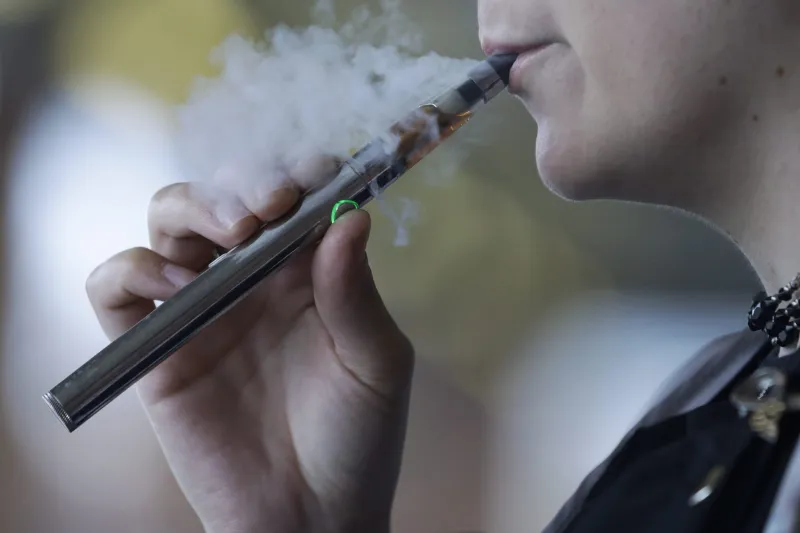
Photo: Clint Thayer (Focal Flame Photography), CC0, via Wikimedia Commons
If you've noticed your vaping budget creeping upward lately, you're not imagining it. The combination of federal regulatory pressure, aggressive state-level taxation, and evolving shipping restrictions has created a genuinely complicated environment for US vapers. And the bad news is it's not done moving.
This isn't a doom-and-gloom piece — it's a practical breakdown of what's actually changing, where it's hitting hardest, and how to navigate it without getting blindsided.
The Federal Picture
At the federal level, the primary regulatory force is the FDA's Center for Tobacco Products, which has been grinding through the PMTA (Premarket Tobacco Product Application) process for years. While this process is about market authorization rather than taxation, it has real cost implications: brands that can't afford the application process exit the market, reducing competition and pushing prices up.
On the tax side, Congress has repeatedly floated proposals to impose federal excise taxes on e-cigarettes and vaping products. As of 2024, no federal vaping-specific excise tax has been enacted, but proposals have come uncomfortably close. The most recent serious effort would have taxed nicotine-containing e-liquids by the milliliter — a structure that would dramatically increase costs, particularly for high-VG, lower-nicotine liquids where you use more volume to get the same effect.
Watch this space. Federal tax legislation tends to move in waves, and with ongoing pressure from public health groups and tobacco tax advocates, the window for action remains open.
State-Level Taxes: Where It's Already Hitting
While federal action is still theoretical, state-level taxation is very real and already affecting what vapers pay. The approaches vary significantly by state:
Wholesale price-based taxes — States like California, Minnesota, and New York tax vaping products as a percentage of the wholesale price. California's rate sits at 63.49% of wholesale as of 2024, which is staggering. Minnesota uses a similar structure. These taxes compound through the supply chain and dramatically inflate retail prices.
Per-milliliter taxes — States including Connecticut, Georgia, Illinois, and New Jersey use a volume-based tax on e-liquid. This is more predictable for consumers but still adds up fast. Connecticut, for example, charges $0.40 per milliliter on closed-system products.
Flat device taxes — Some states apply a per-unit tax on hardware, though this is less common.
No vaping-specific tax — A shrinking number of states, including Florida and Texas, have not yet enacted dedicated vaping taxes, though both have seen legislative proposals in recent sessions.
If you're in a high-tax state, the difference between buying locally and ordering from an out-of-state retailer used to be significant. That gap is narrowing due to shipping restrictions (more on that in a moment).
The PACT Act and Shipping Restrictions
The Prevent All Cigarette Trafficking (PACT) Act was amended in 2021 to include vaping products, and its ripple effects are still being felt. The law requires online retailers shipping vaping products to:
- Verify the age of purchasers
- Register with the ATF and state tobacco tax administrators
- Use only carriers that comply with their state's tobacco shipping laws
- Collect and remit applicable state taxes
The practical result: major carriers including USPS, UPS, and FedEx now prohibit shipping vaping products to consumers. DHL followed. This has pushed online vape retailers toward smaller regional carriers and specialized shipping solutions, which are more expensive and less reliable.
For consumers, this means fewer online purchasing options, higher shipping costs when you do find a retailer that ships to your state, and in some cases, no legal shipping pathway at all to certain states.
States With the Most Restrictive Environments in 2024–2025
A few states deserve specific attention for vapers trying to plan ahead:
California — Between the nation's highest wholesale tax rate, aggressive flavor bans, and strict age verification enforcement, California vapers face some of the most constrained options in the country. The flavor ban (Proposition 31, passed in 2022) restricts flavored tobacco products including most flavored e-liquids at retail.
Massachusetts — Flavored tobacco products including flavored e-liquids are banned statewide. Tobacco-flavored products remain legal but the retail environment is significantly limited.
New York — High wholesale tax plus an active enforcement environment around unlicensed retailers. The state has also pursued aggressive action against online sellers.
New Jersey — Per-milliliter taxes plus ongoing legislative activity. Watch for potential flavor restrictions in coming sessions.
Minnesota — Historically one of the highest vaping tax states. Also has pending legislation that could further restrict flavored products.
Stocking Up Strategically: What Makes Sense
If you're in a state where tax increases or flavor restrictions are on the legislative horizon, building a modest stockpile of your go-to products before changes take effect is a reasonable move. A few guidelines:
Understand shelf life. E-liquid generally stays good for 1–2 years when stored properly — cool, dark, away from direct light. Nicotine oxidizes over time, so plan your stockpile around what you'll realistically use within that window. Don't buy five years' worth and expect it to taste the same.
Prioritize what's genuinely at risk. If flavored e-liquids are under legislative threat in your state, those are worth stocking. Tobacco-flavored products and hardware are typically lower risk from a restriction standpoint.
Buy from licensed retailers. The gray market — unregistered sellers, cross-border purchases, informal resellers — carries real risks including counterfeit products and no consumer recourse if something goes wrong. The savings rarely justify the downside.
Watch for pre-tax-increase sales. When states announce tax increases with future effective dates, legitimate retailers often run promotions ahead of the change. Signing up for retailer newsletters in your state is worth the inbox clutter right now.
The Bigger Picture
The regulatory and tax environment around vaping in the US is genuinely complex and moving fast. The frustrating reality is that vapers — particularly adult smokers who switched to vaping as a harm reduction strategy — are caught in the middle of a policy debate that often treats all nicotine products as interchangeable.
Staying informed is your best defense. Know your state's current tax structure, follow legislative activity through resources like the Consumer Advocates for Smoke-free Alternatives Association (CASAA), and make purchasing decisions with an eye on what's coming, not just what's in front of you right now.
Your budget will thank you for it.