Cash Out Your Gear Closet: The Smart Vaper's Guide to Selling Used Devices Without Getting Screwed
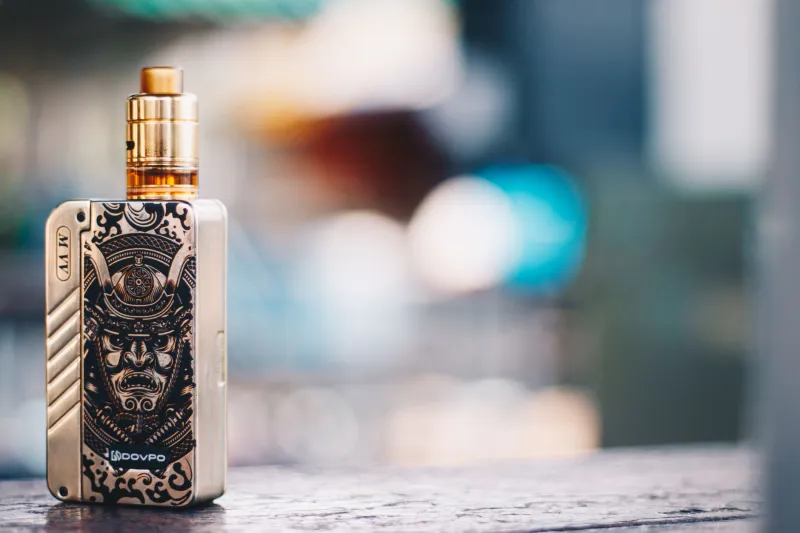
Most vapers have one. That drawer — or maybe a shoebox, or a dedicated shelf — stuffed with mods, tanks, and RDAs that seemed like must-haves at the time and now just collect dust. Upgrading is part of the hobby, but what you do with the old gear is where a lot of people leave real money on the table.
The secondary market for vaping equipment is alive and surprisingly active. People are buying used gear every single day on platforms like eBay, Facebook Marketplace, and dedicated forums. If you've been hesitant to dive in, this playbook will walk you through the whole process — from figuring out what your stuff is actually worth to getting it safely into a buyer's hands without any drama.
Know What You Have (And Be Honest About It)
Before you list anything, take everything out and assess it with fresh eyes. Not the eyes of someone who paid $80 for a mod — the eyes of someone who's thinking about buying a used one for the first time.
Condition categories matter a lot in this market:
- Like New / Mint: Barely used, no visible wear, original packaging ideally included. These command the closest prices to retail.
- Good: Some light scratches or finish wear, fully functional, clean internals. Still very sellable.
- Fair: Noticeable cosmetic wear, maybe a ding or two, but mechanically sound. Price accordingly.
- For Parts / Not Fully Working: Leaky tank, firing issues, cracked glass. Still worth listing — hobbyists love parts — but be upfront.
Honesty isn't just the ethical move here. It's the strategic one. Misrepresenting condition leads to disputes, refund requests, and negative feedback that will tank your future listings.
Pricing: Don't Guess, Research
The most common mistake first-time sellers make is pricing based on what they paid, not what the market will bear. Depreciation in vaping gear is real and sometimes steep.
Start by searching completed listings on eBay — not active listings, completed ones. That tells you what people actually paid, not what sellers hoped to get. Filter by "Sold Items" and you'll have a realistic floor and ceiling within minutes.
For Facebook Marketplace and vaping-specific groups (like those on Reddit's r/ecigclassifieds), browse recent posts for comparable gear. Prices there tend to run slightly lower than eBay because there are no platform fees, which can actually work in your favor if you're the seller.
A rough rule of thumb: expect to sell used gear for 40–60% of its original retail price if it's in good condition, less if it's showing significant wear. Rare, discontinued, or highly sought-after gear can sometimes beat those numbers, but don't count on it.
Where to List: Picking the Right Platform
Not every platform is created equal for vaping gear, and some have outright restrictions you need to know about.
eBay remains one of the biggest secondary markets for vape hardware, but their policies have tightened. You can generally sell hardware (mods, tanks, coils, accessories) but not e-liquid or nicotine products. Read their current category policies before listing — violations can get your account flagged.
Facebook Marketplace is hit or miss depending on your area, but local pickup listings move fast and avoid shipping headaches entirely. Vaping-related groups on Facebook also allow listings, though group rules vary. Always check pinned posts before you post anything.
Reddit's r/ecigclassifieds is a solid option for connecting with actual enthusiasts who know what they're looking at. The community has its own verification culture — account age and karma matter — so newer accounts may face skepticism. Build some posting history before trying to sell high-ticket items.
Specialty vape forums like ECF (E-Cigarette Forum) have classifieds sections that still see traffic, particularly among older, more experienced vapers who appreciate niche or legacy gear.
Photography: This Is Where You Win or Lose
Your photos are doing the selling when you're not there. Bad photos equal low offers or no interest at all. You don't need a studio setup — just good natural light, a neutral background (a white piece of cardboard works fine), and the willingness to take more than two shots.
Capture every angle. Show the threading, the 510 connection, the battery door, any cosmetic wear, the screen if it has one. If there's a scratch, photograph it. If the original box is included, show that too. Buyers who feel like they're seeing everything are buyers who click "Buy Now" instead of asking twenty questions.
Shipping: Don't Wing It
Shipping vaping gear across state lines is where sellers most often get tripped up. A few things to keep in mind:
- Hardware only (mods, tanks, atomizers, accessories) is generally fine to ship via USPS, UPS, and FedEx. You're shipping electronics and metal, not a regulated substance.
- Batteries are a different story. Loose lithium-ion cells have specific shipping requirements. If you're including batteries, research USPS and carrier-specific lithium battery guidelines before you box anything up. Some sellers choose to pull batteries out of the deal entirely to simplify things.
- Pack well. Bubble wrap, foam, a properly sized box. Vape gear has glass, delicate threads, and screens. A $4 packing job protecting a $60 mod is worth every cent.
- Always get tracking. No exceptions. It protects you as much as the buyer.
Red Flags to Watch For
Selling online means occasionally running into people trying to take advantage. Common scams in this space include buyers claiming an item arrived damaged when it didn't, requests to pay outside a platform's official system (always a red flag), and low-ball offers paired with sob stories designed to make you feel guilty for saying no.
Stick to platform-protected payment methods. On eBay, that means PayPal or eBay's managed payments. On Facebook, cash for local pickups is safest. Never ship before payment clears.
Reinvest Smarter
The whole point of selling off old gear isn't just to declutter — it's to fund what comes next without blowing your budget. Keep a running tally of what you've brought in from sales and treat it as your "upgrade fund." It changes the way you think about buying new gear too. When you know you'll eventually be reselling something, you're more likely to keep it in good condition, hold onto the packaging, and think twice before impulse-buying something you'll regret.
That drawer of forgotten mods? It's not a graveyard. It's a budget waiting to happen.