COAs, Compliance, and Cover-Ups: How to Actually Read a Vape Product Lab Report

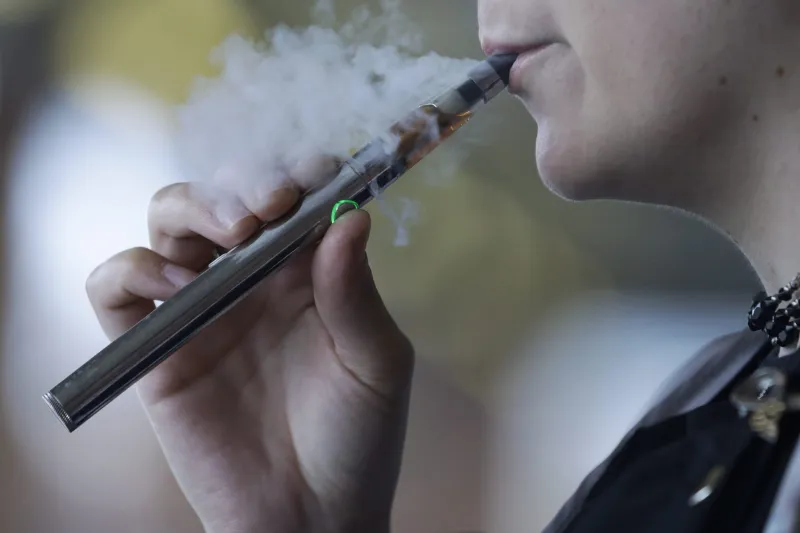
Photo: Shixart1985, CC BY 2.0, via Wikimedia Commons
Everybody wants to sell you safe vape products. Or at least, everybody wants you to think they're selling you safe products. The reality is a little messier. Third-party testing has become a major marketing tool in the vaping industry, and the gap between a brand that genuinely invests in transparency and one that's just checking a box for optics is wider than most people realize.
So let's talk about what lab testing actually covers, what a Certificate of Analysis (COA) is supposed to tell you, and how to catch the stuff vendors quietly leave out.
What Even Is a COA?
A Certificate of Analysis is a document issued by an accredited laboratory confirming that a product was tested and listing the results. For e-liquids, a COA should cover things like nicotine concentration accuracy, the presence of certain heavy metals, residual solvents, and potentially harmful compounds like diacetyl or acetyl propionyl — flavor chemicals linked to respiratory issues.
For hardware, testing might focus on battery safety certifications, coil material composition, or emissions testing under various wattage conditions.
Here's the thing: a COA existing at all is table stakes, not a gold star. What matters is what was tested, who tested it, and when.
The Accreditation Question Nobody Asks
Not every lab is created equal. In the US, you want to see testing conducted by an ISO/IEC 17025-accredited laboratory. This accreditation means the lab has been independently verified to produce reliable, reproducible results. Without it, a lab report is basically just a document someone printed.
When you're looking at a vendor's COA, check for:
- Lab name and contact information — Can you actually look this lab up? Does it have a real web presence?
- Accreditation number — Legitimate labs list their accreditation credentials directly on the report.
- Date of testing — A COA from two years ago on a product that may have been reformulated since isn't doing you much good.
- Lot or batch number — This ties the report to a specific production run, not just the product line in general.
If any of these are missing or vague, that's your first red flag.
What a Solid E-Liquid COA Should Actually Cover
A thorough e-liquid test panel should include:
Nicotine concentration — Is the listed mg/mL what's actually in the bottle? Discrepancies here are more common than you'd think, and they matter a lot if you're using vaping to manage nicotine intake.
Propylene glycol and vegetable glycerin ratio — This affects vapor production, throat hit, and flavor delivery. Mislabeled PG/VG ratios are a real thing.
Diacetyl and acetyl propionyl — These compounds were historically used in butter-flavored products and have been associated with serious lung disease in manufacturing workers. Many reputable brands have eliminated them, but testing should confirm their absence.
Heavy metals — Lead, arsenic, cadmium, chromium. These can leach into e-liquid from coils or manufacturing equipment.
Microbial contamination — Less common on COAs but worth looking for, especially in brands that use organic flavor compounds.
Residual solvents — Flavoring concentrates are often dissolved in carrier solvents during manufacturing. Those solvents should be gone by the time the product is bottled.
If a vendor's COA only covers nicotine content and calls it a day, that's a pretty thin report. It's not necessarily a dealbreaker, but it's worth noting what's absent.
The Transparency Test
Here's a quick exercise: go to a brand's website and try to find their lab reports without using Google. If you can't locate them in under two minutes, that tells you something about how much they actually want you reading them.
Brands that take testing seriously typically:
- Post COAs publicly on product pages or a dedicated testing/transparency hub
- Update reports regularly to reflect current production batches
- Link to the testing lab's website or provide verifiable accreditation details
- Offer to provide reports directly on request without making you jump through hoops
Brands that are just using testing as a marketing claim often bury old reports in obscure corners of their site, post reports without batch numbers, or only disclose results for their best-performing products.
Regulatory Compliance: What It Does and Doesn't Mean
In the US, FDA compliance for e-liquids under the Premarket Tobacco Product Application (PMTA) framework is a whole separate conversation from third-party lab testing. A product being on the market doesn't automatically mean it's been fully vetted — the FDA's enforcement has been inconsistent, and plenty of products operate in regulatory gray areas.
State-level regulations add another layer. Some states require additional testing or labeling. California's Proposition 65, for example, requires warnings about chemicals known to cause cancer or reproductive harm — and nicotine qualifies, which is why you see those warnings on products sold in California even from otherwise reputable brands.
Compliance with these frameworks is a baseline, not a quality seal. Think of it like a restaurant passing a health inspection: it means they cleared the minimum bar, not that the food is exceptional.
Hardware: A Whole Different Testing World
For devices, the testing landscape shifts significantly. Look for:
- UL certification or CE marking — These indicate the device has been tested for basic electrical safety.
- RoHS compliance — This European standard restricts the use of certain hazardous materials in electronics, and many US-sold devices carry it.
- Manufacturer-provided emissions data — More advanced hardware brands publish data on what their coils emit at various temperatures and wattages.
Be skeptical of devices that carry no certifications at all, especially unbranded or heavily discounted hardware from unfamiliar sources.
Bottom Line
Reading lab reports isn't glamorous, but it's one of the most practical things you can do as a vaper. You don't need a chemistry degree — you just need to know what questions to ask and what a real answer looks like. The brands that are doing it right won't make you work for the information. And the ones that do? Well, that tells you something too.