Nicotine, Pregnancy, and Nursing: Cutting Through the Noise to Find the Actual Science

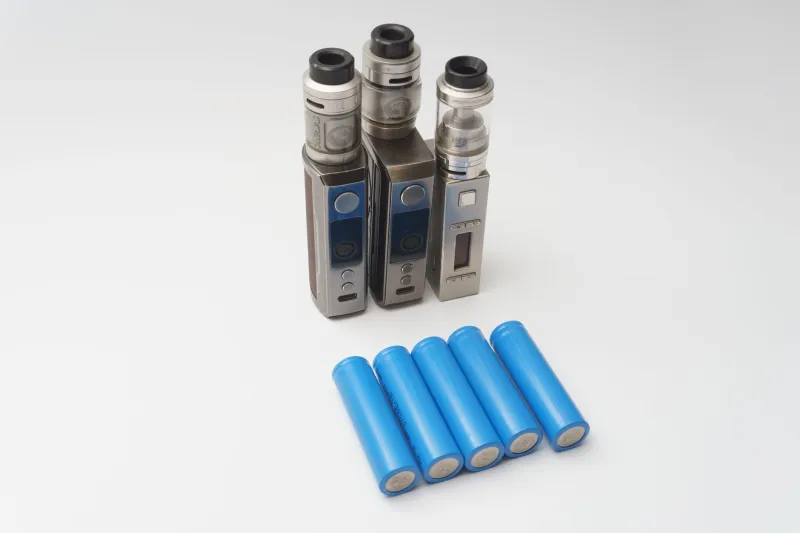
Photo: Narwhal2 (talk), Public domain, via Wikimedia Commons
Important note before we begin: VaperyCo is a vaping product retailer and community resource, not a medical publication. This article is intended to help readers understand the research landscape and have more informed conversations with their doctors and midwives — not to replace medical advice. If you're pregnant, planning to become pregnant, or currently nursing, please work directly with a qualified healthcare provider on any decisions involving nicotine.
With that said — the conversation around vaping and pregnancy is a mess. Public health messaging tends to conflate cigarette smoking with vaping, lump nicotine together with combustion byproducts, and deliver conclusions that don't always match what the peer-reviewed literature actually shows. That gap between the messaging and the evidence is worth understanding, especially for people trying to make genuinely informed decisions.
Why This Conversation Is So Complicated
Let's start with the obvious: studying nicotine use during pregnancy is ethically complicated. You can't run a randomized controlled trial where you assign pregnant people to smoke or vape and measure outcomes. Most of what we know comes from observational studies, animal models, and data collected from populations where combustible tobacco was the primary nicotine source.
That means a significant chunk of what gets attributed to "nicotine" during pregnancy is actually the result of cigarette smoking — carbon monoxide, tar, formaldehyde, and thousands of other combustion byproducts that are not present in vapor. Separating the effects of nicotine specifically from the effects of cigarette smoking is harder than it sounds, and a lot of public health guidance hasn't caught up to that distinction.
What the Research Actually Shows About Nicotine
Nicotine itself is not harmless during pregnancy. That's important to say clearly and without hedging. The research on nicotine exposure — independent of smoking — does show real concerns.
Nicotine crosses the placental barrier and has been shown in animal studies to affect fetal brain development, particularly in the areas associated with attention, impulse control, and stress response. Human epidemiological data is less clean but generally consistent with the idea that nicotine exposure during pregnancy is a risk factor for attention and behavioral differences in children.
Nicotine also causes vasoconstriction — narrowing of blood vessels — which can reduce blood flow to the placenta and potentially affect fetal growth. Studies have linked prenatal nicotine exposure to increased risk of preterm birth and low birth weight, though again, much of this data comes from populations of cigarette smokers where isolating nicotine as the sole variable is difficult.
The short version: nicotine is a pharmacologically active substance that does things in the body that aren't benign during fetal development. The research supports caution.
Where Vaping Specifically Fits In
Vaping is newer, which means the longitudinal data is thinner. Most major health organizations — including the CDC and the American College of Obstetricians and Gynecologists — recommend against vaping during pregnancy, primarily because the long-term safety data simply doesn't exist yet and because the nicotine concern applies regardless of delivery mechanism.
What vaping does eliminate is the combustion component. There's no carbon monoxide, no tar, no thousands of tobacco-specific nitrosamines. For a pregnant person who is actively smoking cigarettes and cannot or will not quit entirely, the harm reduction argument — that switching to vaping is meaningfully less harmful than continuing to smoke — has some support in the public health community, particularly in the UK, where NHS guidance has been somewhat more nuanced than US guidance on this point.
But "less harmful than smoking" is not the same as "safe," and it's not a green light. It's a harm reduction framework, and one that should be applied in conversation with a healthcare provider, not unilaterally.
The Breastfeeding Picture
Nicotine does transfer into breast milk. Studies have found measurable nicotine and cotinine (a nicotine metabolite) in the breast milk of people who smoke or use nicotine products. Infant exposure through breast milk is lower than in utero exposure but not zero.
The research on breastfeeding and nicotine use is complicated by the fact that breast milk itself confers significant health benefits — benefits that may, in some cases, outweigh the risks of low-level nicotine exposure. This is exactly the kind of nuanced, individual risk-benefit calculation that a lactation consultant or OB-GYN is equipped to help with.
Practical harm reduction strategies for nursing parents who use nicotine — like timing nursing sessions relative to nicotine use, since nicotine levels in milk peak and then decline — exist and are worth discussing with a provider.
What the Fear-Based Messaging Gets Wrong
The public health default of "no nicotine, no exceptions" is understandable from a liability and messaging-simplicity standpoint. It's a lot easier to say "just don't" than to explain a nuanced risk gradient to a general audience.
But the side effect of that approach is that it leaves people without useful information when they're in situations that aren't simple. Someone who is 12 weeks pregnant, has smoked a pack a day for ten years, and is struggling to quit doesn't benefit from a message that treats all nicotine use as equally catastrophic. They benefit from honest, graduated information about relative risk — the kind that helps them make the best possible decision given their actual circumstances.
The conflation of vaping with smoking in pregnancy guidance has also led to some genuinely misleading public communication. Vaping and smoking are not the same thing, and treating them identically in health messaging obscures information that matters.
The Most Important Thing You Can Do
Find a healthcare provider who will engage with this topic honestly and without judgment. That means someone who can discuss nicotine replacement therapy options, harm reduction frameworks, and your specific situation rather than defaulting to a blanket "stop everything immediately" response.
If you're currently vaping or smoking and are pregnant or nursing, the goal should be reducing nicotine exposure as much as possible — ideally to zero. But the path to that goal looks different for different people, and having accurate information is the first step toward making a genuinely informed choice.
This is one of those topics where the gap between official messaging and nuanced reality is wide enough to matter. You deserve to understand both sides of it.