Vape Horror Stories: Real Mistakes, Real Consequences, and What Not to Do Next Time
Vaping is, for most people, a pretty uneventful hobby. You fill your tank, hit your button, enjoy your juice. But every now and then, something goes sideways in a way that's memorable — sometimes expensive, occasionally dangerous, and in hindsight, almost always preventable.
We asked the VaperyCo community to share their worst experiences, and the response was... enthusiastic. What follows is a collection of real stories (names changed or omitted at request) paired with honest breakdowns of what actually went wrong and how to make sure it doesn't happen to you.
The Leaky Tank That Ruined a Work Bag
"I tossed my tank in my bag on the way to a meeting, didn't think twice. Got there and pulled it out to find half my juice had soaked through my laptop bag. Keyboard was sticky for a week."
This one comes up constantly, and the cause is almost always the same: putting a filled tank in a bag without locking it or storing it upright. Most tanks use gravity and a seal to stay closed. Turn them sideways or upside down in a crowded bag and that seal gets stressed, especially in warm conditions where the juice thins out.
The fix: If you're carrying a filled tank anywhere, store it upright. Use a dedicated case or at least a ziplock bag as a secondary layer. Better yet, travel with a half-full tank — less pressure on the seals, and less to lose if something does go wrong.
The Wrong Coil, the Ruined Juice, and the Wasted Afternoon
"Ordered a multipack of coils online, didn't notice they were a different resistance than what I normally run. Ran them at my usual wattage, burned through an entire bottle of my favorite juice before I figured out why everything tasted like charcoal."
This is a genuinely easy mistake, and it's way more common than people admit. The coil compatibility landscape in vaping is messy — manufacturers release multiple resistance options for the same coil family, and the packaging doesn't always make it obvious.
Running a higher-resistance coil at wattage appropriate for a lower-resistance one produces immediate dry hits and burned wicking material. The juice is essentially scorching before it can properly saturate.
The fix: Before installing any new coil, check the resistance printed on the coil itself and cross-reference it with your tank's recommended wattage range. New coils should also be properly primed — add a few drops of juice to the wicking ports, let it sit for five to ten minutes before firing. Yes, it takes patience. Your juice will thank you.
The Battery Situation Nobody Wants to Discuss Out Loud
"I was using a mechanical mod and grabbed what I thought were my vape batteries from the nightstand. Fired it and felt something was off immediately — turned out I'd grabbed a pair of batteries from a different device that weren't rated for the load. Nothing exploded, but it got hot fast and I threw it across the room."
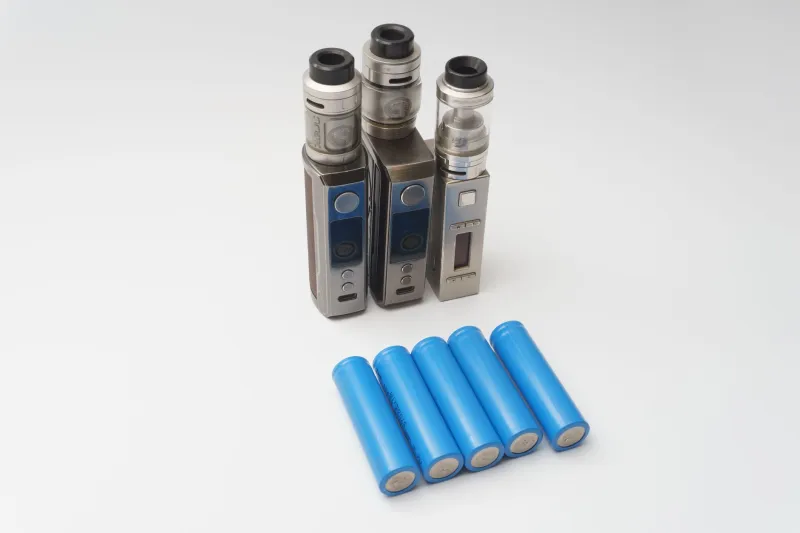
Mechanical mods are unregulated — there's no built-in protection chip between you and the battery. That makes battery selection critical in a way it simply isn't with regulated mods. Using batteries that aren't rated for the current your coil demands creates a real thermal risk.
The fix: If you use a mechanical mod, you need to understand Ohm's law and battery amp ratings — not optional. Label your batteries and store them in dedicated cases. If you're not willing to do the math, a regulated mod with built-in protections is the smarter choice for everyday use. And keep your batteries somewhere you won't accidentally mix them with anything else.
The Juice That Tasted Like a Science Project
"Bought a bottle from a vendor I'd never tried before because it was cheap and the label looked cool. First hit was genuinely one of the worst things I've ever tasted — something chemical and sharp that lingered for an hour. Checked their website later and couldn't find any lab reports. Returned it but honestly I was nervous about what I'd inhaled."
The US vaping market has come a long way on quality control, but it's not uniform. Vendors operating without third-party testing or transparent ingredient sourcing still exist, and rock-bottom pricing is often the tell.
The fix: Before buying juice from a new vendor, look for published Certificates of Analysis (COAs) from independent labs. Check whether the product lists its PG/VG ratio, nicotine source, and flavor ingredients. If a vendor's website doesn't have this information readily available, that's meaningful information. Price shopping is fine; skipping due diligence entirely is not.
The Firmware Update That Bricked a Mod
"Got a notification in the app for a firmware update on my mod. Started the update, phone lost WiFi halfway through, and the mod just... died. Wouldn't turn on, wouldn't connect. Spent three days on customer support emails before they agreed to replace it."
Firmware updates are generally worth doing — they fix bugs, improve performance, and sometimes add features. But they're also the one operation where an interruption mid-process can genuinely corrupt your device.
The fix: Never start a firmware update on a low battery. Do it on a stable, reliable WiFi connection — not on your phone's hotspot or a coffee shop network. Don't use your phone for anything else during the update. If the update process has a progress bar, watch it. This is not the time to multitask.
The Common Thread
Looking across all of these stories, the pattern is pretty consistent: the disasters aren't random. They're predictable outcomes of skipped steps, ignored warnings, or the assumption that something will probably be fine.
Vaping is a genuinely low-drama hobby when you approach it with basic diligence. Check your coils. Store your gear properly. Know your batteries. Vet your vendors. Update your firmware carefully. None of this is complicated — it just requires the habit of paying attention.
The vapers who shared these stories all said roughly the same thing afterward: they knew, somewhere in the back of their mind, that they were cutting a corner. They just didn't expect it to matter that time.
It usually doesn't. Until it does.