What Vaping Actually Costs You Per Year (The Numbers Will Surprise You)
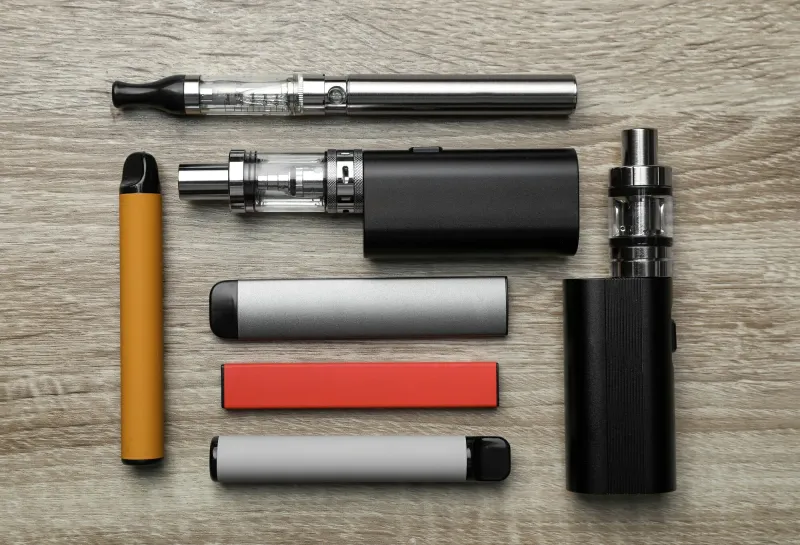
Photo: vaping budget money calculator e-liquid coils expenses, via www.thecardiologyadvisor.com
You bought the device. You grabbed some juice. You figured you were set. Then three months later you're looking at your bank statement wondering where all your money went.
Sound familiar? You're not alone. The upfront cost of a vape kit is almost never the biggest expense — it's everything that follows. Coils, e-liquid, replacement pods, chargers, the random accessories you convinced yourself were necessary. It all adds up to a number most vapers never actually sit down and calculate.
We did the math so you don't have to. Here's a realistic look at what different vaping styles actually cost over a full year, where most people overspend without realizing it, and how to trim your budget without giving up anything you actually care about.
The Baseline: What You're Already Paying
Let's start with the obvious. A solid starter kit — whether that's a pod system or a regulated mod — typically runs anywhere from $30 to $80. High-end gear can push past $150 easily. But that's a one-time cost, right? Mostly, yes. Devices don't need to be replaced constantly. The problem is everything else.
E-liquid is your biggest recurring expense, full stop. A moderate vaper going through roughly 3ml per day — which is pretty conservative — will burn through about 90ml per month. At an average price of $15–$20 per 30ml bottle, that's $45–$60 a month just on juice. Over a year? You're looking at $540–$720 on e-liquid alone.
Heavier vapers, especially DTL (direct-to-lung) users running high-wattage setups, can easily triple that number. Sub-ohm tanks at 80+ watts chew through juice at a rate that'll have you ordering bottles like groceries.
The Coil Tax Nobody Warns You About
Coils are the sneaky budget killer. They're cheap individually — usually $3–$6 a pop — but they need replacing constantly. A realistic replacement schedule for most vapers is every one to two weeks, depending on how much you vape and what juice you're running (sweeter, darker juices destroy coils faster).
At two coils per month at $4 each, that's $96 a year. Doesn't sound awful until you factor in that most vapers aren't buying single coils — they're buying packs of five, which encourages the habit of swapping more often than necessary. Push that to three coils a month and you're at $144 annually, just on coils.
Pod users aren't immune either. Replacement pods — especially proprietary ones from major brands — often cost more per unit than traditional coils, and some pods don't last as long.
Batteries, Chargers, and the Gear Creep Problem
18650 and 21700 batteries are the backbone of most external battery mods. A quality pair from a reputable brand like Sony, Samsung, or Molicel costs $10–$15 each. Batteries should be replaced every 12–18 months under regular use, so budget roughly $25–$30 per year if you're running a dual-battery mod.
Then there's "gear creep" — the slow accumulation of stuff you sort of needed but didn't really plan for. A better drip tip here. A carrying case there. A coil-building kit you bought because someone on Reddit made it look easy. An extra tank because your main one was on back-order. These small purchases can easily add $100–$200 a year to your total without you ever making a single big purchase.
The True Annual Cost by Vaping Style
Here's a rough annual breakdown based on vaping style:
Pod System (Moderate Use)
- Device replacement (every 18 months, prorated): ~$25
- Replacement pods/coils: ~$120
- E-liquid: ~$480
- Batteries/charging: ~$15
- Miscellaneous: ~$50
- Total: ~$690/year
Sub-Ohm Tank + Regulated Mod (Heavy Use)
- Device/mod replacement: ~$40
- Coils: ~$150
- E-liquid: ~$900
- Batteries: ~$30
- Miscellaneous: ~$100
- Total: ~$1,220/year
Disposable Vapes (Daily Use) This one hurts. At $12–$18 per disposable lasting roughly 2–3 days for a regular vaper, you're spending $1,500–$2,500 per year. Disposables are the most expensive way to vape, period.
How Does That Stack Up Against Cigarettes?
The average pack of cigarettes in the US costs around $8–$10, though prices vary significantly by state — New York pushes $12+, while some Southern states stay closer to $6. A pack-a-day smoker is spending $2,920–$3,650 annually.
Even a heavy sub-ohm vaper at $1,200 a year is saving over $1,700 compared to cigarettes. A pod system user saves even more. The savings are real — but only if you're not hemorrhaging money on disposables or unnecessary gear.
Where Vapers Overspend Most (And How to Stop)
Chasing hardware upgrades is the number one budget trap. New devices launch constantly, and the vaping community does a great job of making you feel like your six-month-old mod is already outdated. It's not. If your device works, it works.
Buying premium juice at full price is another easy fix. Most premium e-liquid brands run sales regularly, and buying in larger bottle sizes (60ml or 120ml) almost always drops the per-ml cost significantly. Stocking up during a sale can cut your juice budget by 20–30%.
Ignoring coil longevity habits costs more than people realize. Priming coils properly, avoiding chain vaping, and staying away from super-sweet dessert juices will meaningfully extend coil life. Going from a 10-day coil lifespan to 16 days saves you roughly 40% on coil costs annually.
Buying disposables as your primary setup is the fastest way to burn through money. If you're using disposables daily, switching to even a basic pod system will pay for itself in the first month.
A Practical Budget Framework
Here's a simple monthly budget template to keep your vaping costs in check:
- E-liquid: Set a monthly cap based on your consumption. Buy in bulk when possible.
- Coils/pods: Budget for 2 per month as a baseline, adjust based on actual usage.
- Gear: Give yourself a quarterly "gear budget" of $20–$30 for accessories and incidentals. Stick to it.
- Emergency fund: Keep one backup coil and one backup bottle of juice on hand at all times. Panic-buying at the last minute always costs more.
Vaping doesn't have to be expensive. But it can be if you're not paying attention. Run the numbers for your own setup, identify where the leaks are, and plug them. Your wallet will thank you.