Don't Let Your Juice Go to Waste: The Complete Guide to Storing E-Liquid the Right Way
You spent real money on that e-liquid. Maybe it was a premium 60mL bottle from a craft brand, or a bulk haul you scored on sale. Either way, the moment you drop it in a warm car cupholder or leave it sitting on a windowsill, you're quietly torching your investment — one molecule at a time.
Proper e-liquid storage isn't just a tip for obsessive collectors. It's practical knowledge that affects how your juice tastes today, next month, and a year from now. Here's what's actually happening to your bottles when storage goes wrong — and how to do it right.
What's Actually Inside Your Bottle (And Why It's Fragile)
Before getting into the how, it helps to understand the what. E-liquid is a mixture of propylene glycol (PG), vegetable glycerin (VG), flavoring concentrates, and nicotine. Each of those components reacts differently to environmental stress.
Nicotine is the most reactive element in the mix. It oxidizes when exposed to oxygen, light, and heat — which turns it from a clear or pale yellow compound into something darker and harsher. That's why a bottle you've left half-open for a month starts tasting more bitter and less smooth.
Flavor concentrates are next in line. Many are built around aromatic compounds that simply evaporate or degrade over time, especially with heat cycling. A strawberry that tasted bright and fresh in January can taste flat and almost medicinal by summer if stored poorly.
PG and VG are more stable on their own, but they act as carriers — meaning whatever degrades in the mix gets distributed throughout the liquid.
Temperature: The Biggest Threat You're Probably Ignoring
Heat accelerates every bad chemical reaction in e-liquid. That's not an opinion — it's basic chemistry. And the threat isn't just extreme heat. It's fluctuating temperatures that do the most invisible damage.
Think about a bottle sitting in your car. On a warm day in Texas or Arizona, interior car temps can hit 130°F or higher. Even in milder climates, a car parked in the sun gets hot enough to start degrading your juice in a matter of hours. But it's the cycle of heating and cooling — hot during the day, cool at night — that really stresses the liquid and accelerates oxidation.
What to do instead: Keep juice at a stable, cool temperature. A kitchen cabinet away from the stove works fine for bottles you're actively using. For anything you're storing longer term, a dedicated spot in your fridge is genuinely excellent — just let the bottle come back to room temperature before you vape it to avoid any viscosity issues with your coil.
For true long-term storage (think: months to over a year), a chest freezer is the gold standard. Nicotine stability in a frozen environment is dramatically better than at room temperature. Thaw completely before use, and you'll be surprised how fresh juice can taste even after a long time in cold storage.
Light Exposure: UV Is Not Your Friend
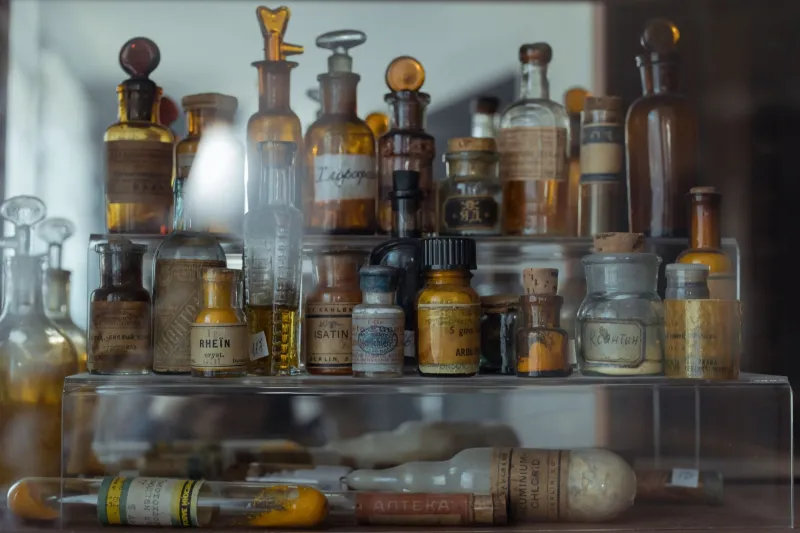
Ultraviolet light is the other major villain here. UV radiation breaks down nicotine and flavor compounds at a molecular level — it's the same reason pharmacies store certain medications in amber bottles.
Direct sunlight is the obvious culprit, but indirect light through a window still carries enough UV to do damage over weeks and months. Even fluorescent lighting in a bright room contributes, though much more slowly.
What to do instead: Store your juice in dark containers or in a dark space. Most commercial e-liquid already comes in amber or dark glass or opaque plastic — that's intentional. If you're decanting into other containers, make sure they're UV-blocking. A simple cardboard box, a drawer, or a dark cabinet all do the job without any extra effort.
Container Type: Not All Bottles Are Equal
The bottle your juice comes in matters more than most people realize. There are two main types: LDPE (low-density polyethylene) plastic and glass. Both have trade-offs.
Plastic bottles are convenient and shatter-proof, but LDPE is slightly gas-permeable over time. For short-term use — say, a bottle you'll finish in a few weeks — it's completely fine. For long-term storage of months or more, oxygen can slowly permeate through the walls and accelerate oxidation.
Glass is the better long-term storage choice. It's non-permeable, doesn't leach any compounds into the liquid, and if you use dark or amber glass, it handles the light problem simultaneously. The downside is weight and breakability, but for a storage stash rather than your daily carry, glass wins.
Pro tip: If you're storing in plastic long-term, minimize headspace in the bottle. The more air sitting above the liquid, the more oxygen is available to react with your nicotine. Fill bottles as close to the top as practical, or consider transferring into smaller containers as you use the liquid down.
DIY Storage Solutions That Actually Work
You don't need to buy anything fancy. Here are a few setups real vapers use:
-
The Fridge Drawer: Dedicate one of those small vegetable drawers to your e-liquid stash. It's dark, cool, and stable. A small cardboard box inside keeps bottles from rolling around and adds another layer of light protection.
-
The Chest Freezer Method: If you bulk buy or mix your own juice, a small chest freezer set to 0°F is the ultimate preservation tool. Label everything clearly with dates, keep bottles sealed tight, and thaw only what you need.
-
The Tackle Box Approach: A multi-compartment tackle box or craft supply organizer stored in a cool, dark closet works great for organizing an active rotation. Keeps things sorted by flavor profile or nicotine level without taking up much space.
-
Vacuum Sealing: For really serious long-term storage, some DIY mixers vacuum-seal their bottles inside food-safe bags before freezing. This eliminates nearly all the residual oxygen exposure. Overkill for most, but genuinely effective.
Common Mistakes That Quietly Wreck Your Stash
- Leaving bottles in a vape bag in a hot car, even briefly
- Storing juice near a stove, oven, or heating vent
- Keeping bottles on a desk or shelf near a window
- Not closing caps fully between uses
- Buying more juice than you can realistically use in six months without a cold storage plan
- Ignoring the manufactured date when purchasing — some retailers sell old stock
How to Tell If Your Juice Has Already Gone Bad
Sometimes you inherit a bottle you're not sure about, or you find something that's been sitting in a drawer longer than intended. Here's how to assess it before you vape it:
Color: Some darkening over time is normal — especially for nicotine-containing juice, which naturally oxidizes to an amber or golden hue. Deep brown or near-black coloring is a warning sign.
Smell: Give it a sniff before you fill a tank. Rancid, sour, or chemical-smelling juice has degraded past the point of enjoyment. Trust your nose.
Separation: PG and VG can separate if juice has been sitting a long time. A gentle shake should re-homogenize it. If it doesn't blend back together, or you see chunky particulates, toss it.
Taste test: If it looks and smells okay, a small test hit will tell you immediately. Harsh, bitter, or flat flavor where there used to be something vibrant means the juice is past its prime.
Good juice doesn't last forever — but with the right storage habits, it lasts a whole lot longer than most vapers expect. Treat your stash like you'd treat anything worth keeping, and it'll treat you right every time you open a bottle.